Essential Camping Skills: Learn and Explore Outdoors

Camping is more than just a getaway; it’s an opportunity to connect with nature, challenge yourself, and learn essential skills that can enhance your outdoor experiences. Whether you are a beginner or a seasoned camper, mastering certain skills can make your adventures safer and more enjoyable. In this post, we will explore the essential camping skills you need to learn and how they can help you make the most of your time outdoors.

Understanding Your Gear
Before you even set foot in the great outdoors, understanding your camping gear is crucial. This includes knowing how to set up your tent, use your cooking equipment, and manage your sleeping arrangements. Here are some key points to consider:
Tent Setup
Choose the Right Location: Look for flat ground, away from water sources and potential hazards like falling branches.
Practice Before You Go: Set up your tent at home to familiarize yourself with the process.
Secure Your Tent: Use stakes and guylines to ensure your tent remains stable in windy conditions.
Cooking Equipment
Know Your Stove: Whether you have a propane stove or a portable grill, understand how to operate it safely.
Pack the Right Utensils: Bring lightweight, multi-functional tools to save space.
Food Safety: Learn how to store food properly to avoid attracting wildlife.
Sleeping Arrangements
Sleeping Bag Selection: Choose a sleeping bag suitable for the season and temperature.
Sleeping Pad: Invest in a good sleeping pad for insulation and comfort.
Campsite Comfort: Bring pillows or stuff clothes into a stuff sack for a makeshift pillow.
Navigation Skills
Getting lost in the wilderness can be a frightening experience. Therefore, having solid navigation skills is essential. Here are some tips to help you find your way:
Map and Compass
Learn to Read a Map: Familiarize yourself with topographic maps and understand symbols and scales.
Using a Compass: Practice taking bearings and understanding how to orient your map with your compass.
GPS and Apps
Smartphone Apps: Download offline maps and navigation apps that can help you find your way without cell service.
Battery Management: Bring a portable charger to ensure your devices remain powered.
Natural Navigation
Landmarks: Use natural landmarks to orient yourself.
Sun and Stars: Learn how to use the sun’s position and stars for navigation at night.
Fire Building Skills
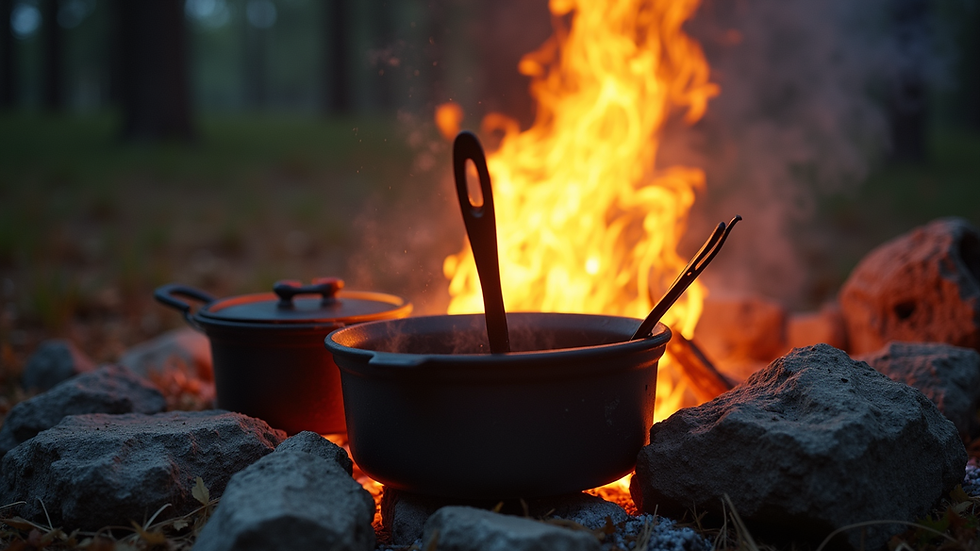
A campfire is not only a source of warmth but also a vital tool for cooking and signaling for help. Here’s how to build a safe and effective fire:
Fire Safety
Check Regulations: Always check local regulations regarding campfires.
Choose a Safe Spot: Use established fire rings or clear a space away from flammable materials.
Fire Building Techniques
Gather Materials: Collect tinder (dry leaves, grass), kindling (small sticks), and fuel wood (larger logs).
Building the Fire: Start with a teepee or log cabin structure to allow airflow.
Extinguishing the Fire: Always fully extinguish your fire before leaving the site.
First Aid and Emergency Skills
Accidents can happen, and knowing basic first aid can be a lifesaver. Here are some essential skills to learn:
First Aid Kit Essentials
Basic Supplies: Include band-aids, antiseptic wipes, gauze, and adhesive tape.
Medications: Bring any personal medications and consider pain relievers and antihistamines.
Emergency Procedures
CPR and Choking: Learn basic CPR techniques and how to assist someone who is choking.
Recognizing Symptoms: Be aware of signs of heat exhaustion, hypothermia, and allergic reactions.
Wildlife Awareness
Understanding how to coexist with wildlife is crucial for safety and respect for nature. Here are some tips:
Bear Safety
Food Storage: Use bear-proof containers or hang food in a tree away from your campsite.
Bear Encounters: Know how to react if you encounter a bear—stay calm, back away slowly, and do not run.
Other Wildlife
Insect Protection: Use insect repellent and wear long sleeves to protect against bites.
Snake Awareness: Learn to identify local snakes and how to avoid encounters.
Leave No Trace Principles
Practicing Leave No Trace principles ensures that we protect the environment for future generations. Here’s how to minimize your impact:
Plan Ahead
Research Your Destination: Understand the area you are visiting and its regulations.
Pack Out What You Pack In: Bring trash bags to carry out all waste.
Respect Wildlife
Observe from a Distance: Never approach or feed wildlife.
Stay on Trails: Stick to established paths to minimize damage to vegetation.
Conclusion
Mastering essential camping skills not only enhances your outdoor experience but also ensures your safety and the preservation of nature. From understanding your gear to navigating the wilderness, each skill contributes to a more enjoyable camping adventure. As you prepare for your next trip, take the time to practice these skills and embrace the beauty of the great outdoors.
Remember, every camping trip is an opportunity to learn and grow. So, gather your gear, head out into nature, and explore the wonders that await you!
Comments